
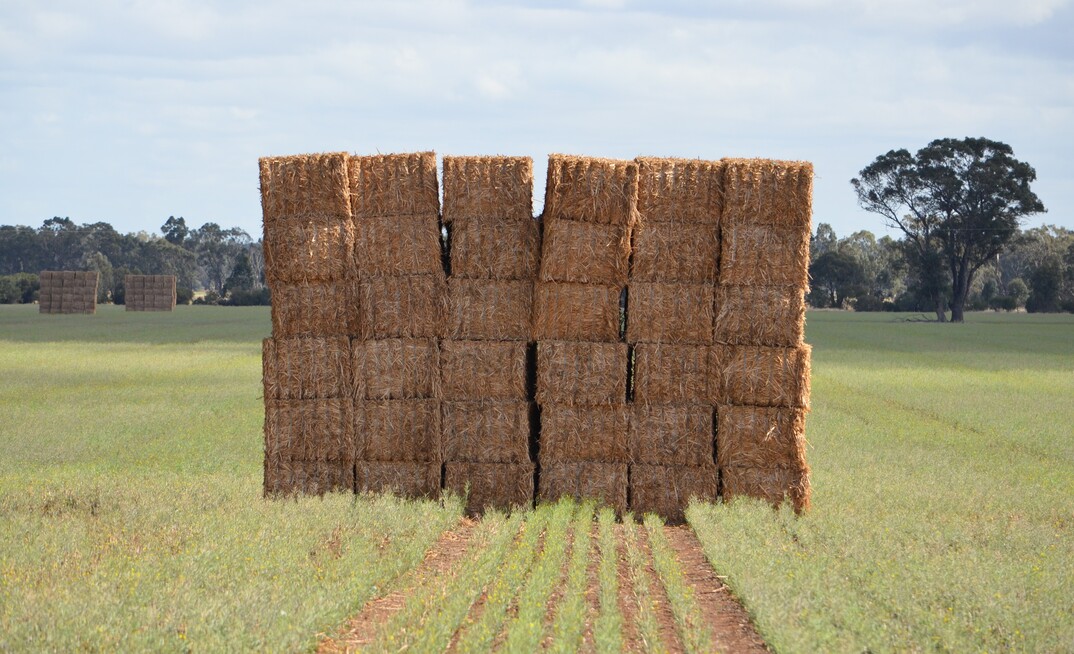


AGRICULTURE Victoria has urged farmers to be aware of the risks of the red imported fire ant (RIFA) when sourcing fodder from interstate.
Agriculture Victoria acting Chief Plant Health officer, Dr Stephen Dibley, said RIFA, or Solenopsis invicta, is one of the worst invasive ant species in Australia.
Native to South America, the ant was first detected in Brisbane in 2001 and while still largely localised to the Greater Brisbane area, it has also recently been detected in two separate zones in New South Wales.
"RIFA is not present in Victoria and we hope collective efforts continue to ensure that this situation remains unchanged," Dr Dibley said.
YOU MIGHT ALSO LIKE
"If RIFA made it into Victoria, it could severely affect the state's economy, agriculture, the environment and the wellbeing of people and livestock. RIFA is mostly spread when it hitchhikes on material that is transported out of an infested area."
He said with drought forcing farmers to source hay and fodder from interstate suppliers, there was a real risk they may inadvertently import RIFA.
"We know current conditions mean farmers are dealing with unfamiliar fodder sellers, but we still want to protect our agricultural industry from biosecurity threats.
"Hay and straw are ideal host materials for RIFA, providing shelter, temperature regulation and a food source," he said.
Dr Dibley said farmers should be aware that hay or straw purchased from anywhere outside of Victoria must come from a location with an accepted RIFA area freedom certificate.
Fodder purchased from the infested zones must meet inspection and treatment requirements and be certified by an officer responsible for agriculture in the state or territory of origin.
When coming from these zones, hay purchases must also include one of a plant health certificate (PHC), plant health assurance certificate (PHAC), biosecure HACCP biosecurity certificate (BHBC) or plant health declaration (PHD).
If it is believed hay contains RIFA, report it immediately via the Agriculture Victoria Public Online Reporting Form, found at: https://tinyurl.com/2ymks39x or by calling the Exotic Plant Pest Hotline on 1800 084 881.
Find more information about available drought support at www.agriculture.vic.gov.au/drought or call 136 186.