
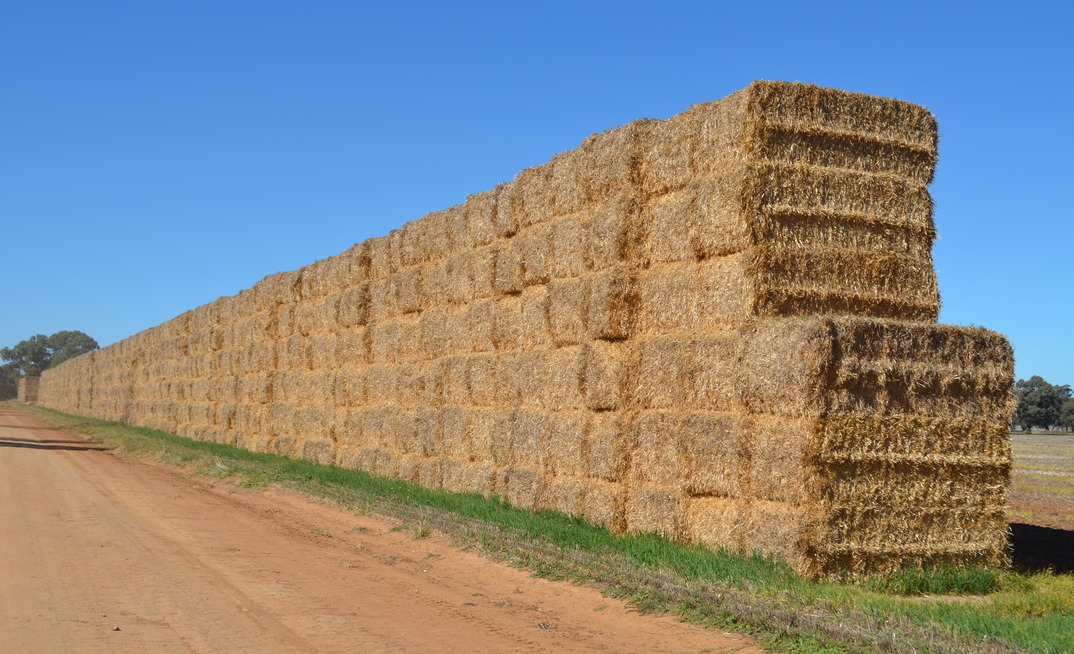


WHEN purchasing fodder for the autumn break or to build reserves coming into winter, don't forget to consider the increased risks of introducing pests and weeds to the property.
Agriculture Victoria livestock extension officer, Lisa Baker, said there are key steps that farmers should follow to minimise the risk of introducing and spreading unwanted weeds and pests.
"To minimise the risk of these weeds and pests establishing across your farm, make sure all purchased fodder is fed in a designated containment area, feedpad or sacrifice paddock, which has been sited to mitigate risks," Baker said.
She added that feeding out fodder in restricted areas allows for better observation of any new plants germinating. "It enables quick eradication and control of any weeds or pests that might emerge, therefore reducing the risk of these becoming established in the area."
YOU MIGHT ALSO LIKE
If looking to source fodder from interstate, Agriculture Victoria is providing a free and tailored service to suppliers, transporters and farmers to help them to efficiently navigate the permit requirements to bring feed into Victoria while managing biosecurity risks.
When purchasing feed, farmers are encouraged to request a Commodity Vendor Declaration with every load. Commodity Vendor Declarations contain background information about the fodder source, including whether it has been sprayed or treated with chemicals that are still within a withholding period (WHP), export slaughter interval (ESI) or export animal feed interval (EAFI).
When buying from interstate, there are no restrictions or permit requirements for fodder coming from the Northern Territory or Tasmania while fodder coming from all other jurisdictions requires either a plant health certificate or a permit issued by Agriculture Victoria.
STOP THE SPREAD
The certificate requirement is to protect Victoria from exotic pests and pathogens that could be spread by transported fodder, including:
- annual ryegrass toxicity – a seed-transmitted nematode found in Queensland, Western Australia, South Australia and New South Wales.
- green snail – an invasive snail species found in WA.
- red imported fire ant – an invasive ant species found in Queensland and small zones in NSW.
- electric ant – an invasive ant species found in Queensland.
A plant biosecurity permit will be issued free of charge for fodder movement. If an inspection of fodder by Agriculture Victoria is required on its arrival to Victoria (which will be stipulated as a permit condition), the cost of this inspection will also be waived as part of the current drought support package.
For more information on entry conditions and documents required to move fodder, visit: https://tinyurl.com/3jhb6e6p