


The changes to farming systems in the past 30 years have been remarkable. Low weed seedbanks now allow growers to dry sow into moisture that once would have been lost to summer weeds, protect valuable chemistry and run rotations that remain profitable under increasingly variable seasons.
By driving weed populations down, many farms are now achieving outcomes that challenge traditional assumptions about water use efficiency.
No-till changed how soils were managed. Controlled traffic changed how machinery moved through paddocks. Harvest weed seed control (HWSC) is emerging as the next system shift, changing what happens at the end of the season to protect everything that follows.
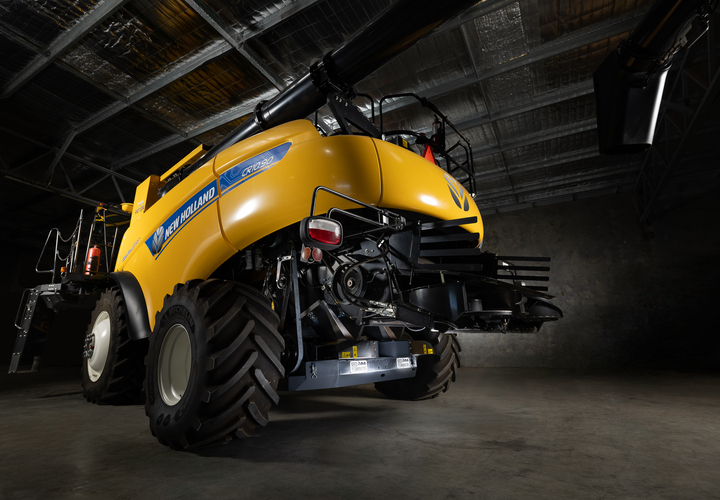
The HWSC idea started in Western Australia more than three decades ago, when growers facing escalating herbicide resistance began asking an uncomfortable question: what if the problem wasn't how weeds were sprayed during the season, but what happened at harvest?
The harvester, it turned out, was doing two jobs at once. It collected grain efficiently and redistributed the toughest surviving weeds across the paddock just as effectively.
Instead of accepting that cycle, farmers began experimenting. Chaff carts imported from Canada, narrow windrow burning and chaff lining were early attempts to intercept weed seeds before they returned to the soil.
The principle was simple: stop surviving weeds from reproducing and slow resistance itself. Reducing the weed seed bank gave you options.
Those systems worked but came with compromises. Growers often needed to burn windrows or manage chaff lines, adding labour, fire risk and, increasingly, nutrient loss. As fertiliser prices climbed, losing potassium, phosphorus and nitrogen in crop residue became harder to justify.
What growers wanted was to be able to shut the gate at harvest. That's it.
That search for practicality drove the next stage of HWSC - mills.
Prevention, not rescue
Herbicides remain one of agriculture's most powerful tools and new chemistry helped stabilise many paddocks as resistance pressure built. But experienced growers understood a fundamental: chemistry works best when it isn't carrying the entire burden.
The weeds present at harvest are the fittest. They have survived crop competition, rotations, seeding strategies and well-timed herbicide programs. Left unmanaged, the survivors repopulate the seedbank and can quickly undo years of good agronomy.
HWSC flips that dynamic. Rather than reacting to weeds during the season, growers intercept them before they contribute to the next.
As Western Extension Agronomist, Peter Newman, once observed, farmers can spend an entire year killing weeds only to reward the survivors at harvest by spreading them back across the paddock.
Increasingly, growers are choosing not to.
An Australian solution
In many ways, HWSC represents the best of Australian agriculture: collaboration over competition, practicality over theory and a long-term commitment to farming.
Faced with some of the toughest herbicide resistance challenges anywhere, Australian farmers, agronomists and engineers couldn't wait for an answer. They built one together.
Seed Terminator emerged inside that farmer-led evolution.
Founded on Kangaroo Island, Seed Terminator began not as a finished product but as a research project for Nick Berry.
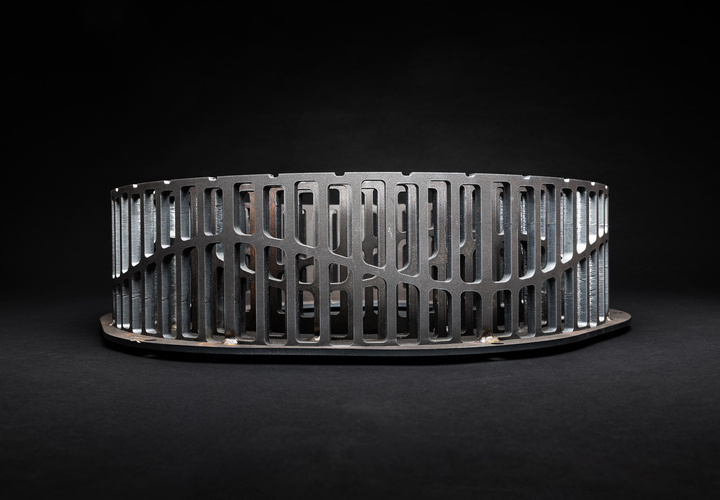
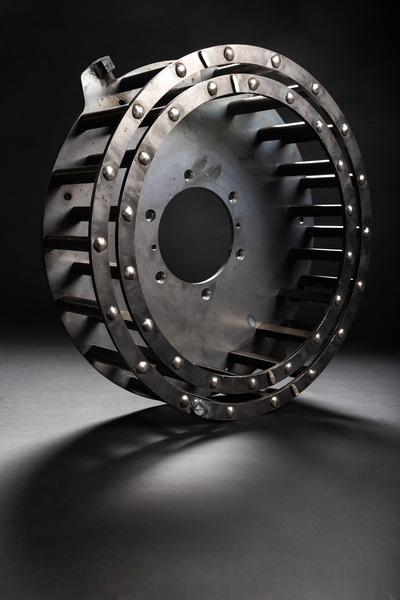
During his PhD work, Berry developed one of the early harvest seed destruction systems: a hydraulically-driven impact mill, designed and proven to destroy weed seeds during harvest.
The concept worked but the first machines also exposed limitations. They were expensive, vulnerable to rocks, required significant power due to their lack of aerodynamics and could fit only one harvester make.
At a time when herbicide resistance was affecting growers across every region, the solution was simply not accessible to most Australian farmers.
That realisation reshaped the direction of a decade of development. The challenge was no longer proving mills on harvesters worked; it was making it available to everyone.
Over the following decade, engineering focused on removing barriers: improving durability, reducing power demand and ensuring compatibility across all major manufacturers.
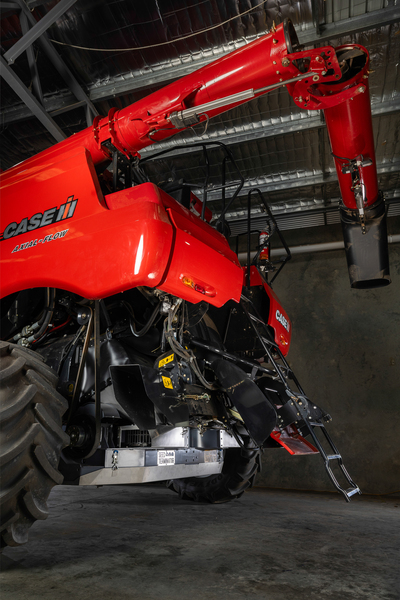
Today, Seed Terminator systems operate on John Deere, Case IH, New Holland and CLAAS harvesters, reflecting the original goal - a solution built for Australian conditions and accessible to Australian growers facing the same weed pressures.
Not the same conversation anymore
For many growers, perceptions of HWSC were formed when early systems demanded power, attention and compromise. The technology has matured since then.
Recent developments, including low-inertia mill designs, new Ethylene Elastomer compound belt construction, rare earth magnet trays and smarter monitoring reflect a decade of feedback from farmers running machines in real conditions.
Operator experience now matters as much as engineering performance, with automation and integration steadily reducing the workload in the cab.
Compatibility has expanded across modern fleets, from John Deere S Series and X9 combines through to Case IH, New Holland and CLAAS platforms. Increasing collaboration with original equipment manufacturers signals a broader industry shift: weed seed management is moving from optional add-on to expected harvesting capability.
The mission is clear; to maximise the number of hectares terminated across the planet each year.
Grower economics
Under current fuel and input prices, HWSC typically costs around $20/ha. In return, growers capture roughly 70–80 per cent of weed seeds entering the harvester and terminate almost all of them.
If a herbicide company delivered comparable control for a similar price, few would hesitate to apply it. The difference is timing. HWSC prevents next year's weed problem rather than treating it later.
"We can't spray our way out of herbicide resistance," Berry said. "The answer is layering tactics so neither chemistry nor machinery does all the work."
A change farmers made themselves
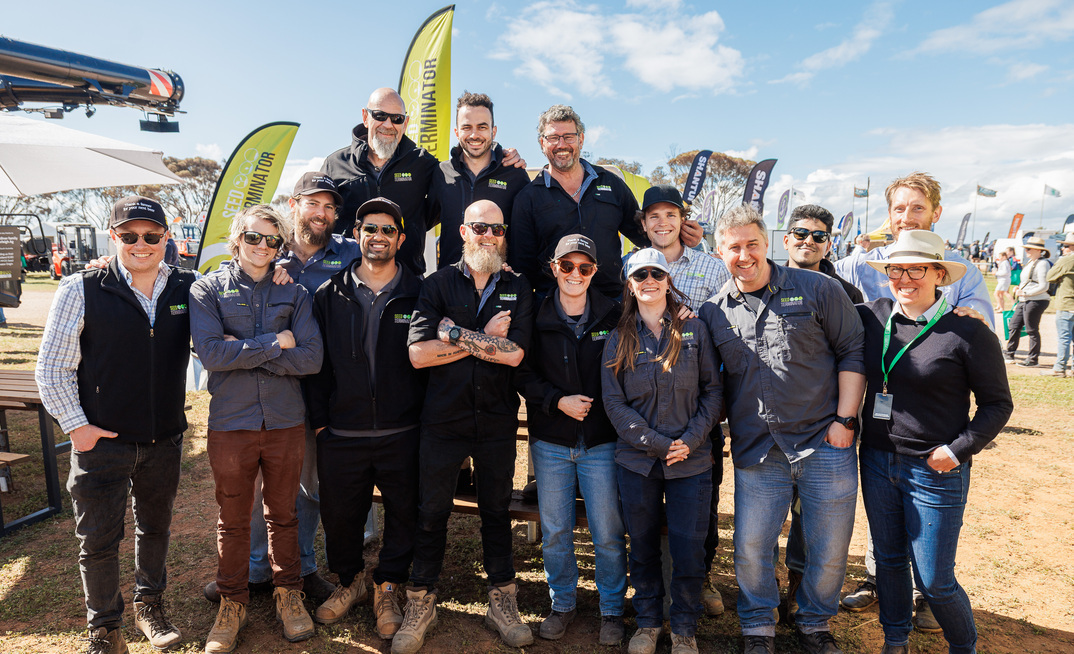
In February this year, growers, agronomists and weed scientists gathered at Seed Terminator headquarters in South Australia to mark 10 years in business. The celebration reflected more than a company milestone. It recognised a collective achievement. Australia didn't just adopt HWSC. It made it work it, scaled it and exported it.
Today, systems developed in Australian paddocks are influencing farming in North America and Europe, reversing the traditional flow of agricultural innovation.
Farming the future
"Ten years in, I'm more convinced than ever that prevention beats cure. That systems beat silver bullets. And that if we want our kids, and their kids, to farm the same ground, we have to stop exporting problems out the back of the header and hoping chemistry will mop it up later," Berry said.
The next decade of weed management will come from systems, stacking decisions across the season to reduce risk before problems appear. Pre-emergents, crop competition, rotations and HWSC are increasingly working together rather than competing.
And increasingly, that system starts at harvest. Because the cheapest weeds to control are the ones that never get a chance to grow.

For more details, visit: www.seedterminator.com.au
ABOUT THIS COMPANY
Seed Terminator Pty Ltd

MAIN OFFICE:
- HQ 23 Aldershot Road Lonsdale SA 5160
- Perth 1/3 Craft Street Canning Vale WA 6155
- Phone: +61 429 860 415
- Website: www.seedterminator.com.au/
- Email: [email protected]