


Independent trials across Western Australia and South Australia have shown that a Biostart biostimulant programme can significantly lift yields in canola, wheat, barley and lentils.
Biostart is an Australasian biological AgriTech company that has developed a proprietary suite of biological farming inputs to support healthier soils, plants and animals. Its products are grounded in the principle that beneficial microbes are the engine that drives productive farming.
Well established in New Zealand and Australia through horticultural and pastoral products such as Mycorrcin, Ruminant and HayKing, Biostart is now expanding into the Australian broadacre sector with a proven biological programme that consistently lifts yield and profitability.
Independent Trials
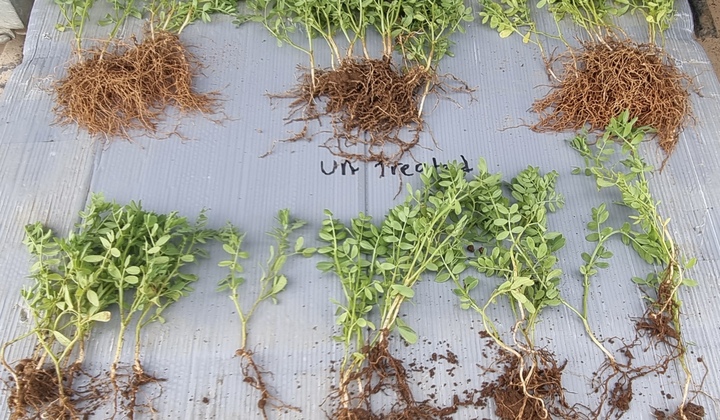
Australian trials were conducted over three seasons to find the most effective programme for driving yield through enhanced soil and plant biology.
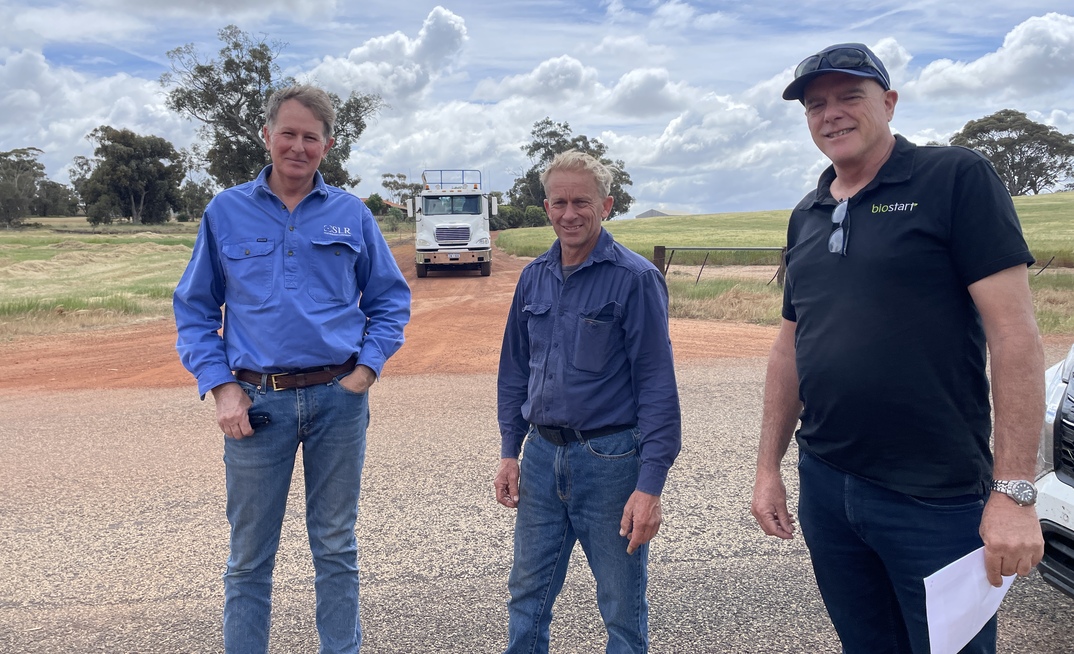
Western Australian trials were led by Michael Lamond at SLR, while South Australian trials were undertaken by YPAG with leading growers in these regions.
Biostart Programmes
Canola, Wheat & Barley
• 1 L/ha Biostart Mycorrcin applied at sowing via direct injection.
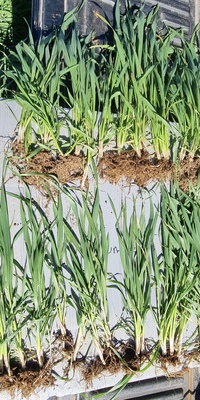
Mycorrcin is a soil biostimulant that activates beneficial soil microbes to stimulate stronger root growth, improve nutrient uptake, support faster establishment, and ultimately increase yield.
Lentils
• 1 L/ha Mycorrcin applied at sowing via direct injection
• 0.5 L/ha Biostart Foliacin applied at canopy closure
Foliacin is a foliar biostimulant that restores the plant's natural leaf microbiome and primes its immune system to help improve tolerance to crop stress, including heat, drought and spray drift.
Results
All crops consistently showed yield increases, significantly improving return on investment (Figure 1).
Parameter Canola Lentils Wheat Barley
Yield increase (%) 10% 10% 11% 9%
Yield increase (T/ha) 0.22 0.21 0.46 0.60
Increased GM ($/ha) $152 $160 $158 $203
ROI 662% 299% 688% 909%
Price ($/T) $680 $755 $430 $340
Programme cost ($/ha) $20 $40 $20 $20
Figure 1. Yield increase in response to the Biostart biostimulant programme.
Across two challenging low-rainfall years (2023–2024). the Biostart programme delivered a 9–11% yield uplift and strong positive ROI across multiple states.
How the Products Work
Plants have evolved to "farm" microbes in the soil around their roots to deliver them the nutrition they need for optimal growth and help protect them from disease. This is achieved by plants releasing special exudates (sugars, etc) into the soil from their root tips which feed and activate microbes to make nutrients plant available.
Over the past 30 years, Biostart has studied the interactions between microbes, plants and livestock to develop highly targeted biological inputs.
Biostart's first commercial product was a prebiotic for calves, created before human prebiotics were widely understood. It delivered such strong improvements in calf health that it remains in use today.
Since then, Biostart has developed an extensive portfolio of biological products, building on decades of research into the function of beneficial microbes.
Mycorrcin, for example, contains fermented microbial extracts that activate beneficial microbes in the root zone. These microbes support plants by:
- Mineralising nutrients into plant-available forms for improved growth, higher dry matter, and increased nutrient density
- Activating induced systemic resistance to enhance crop resilience against biological and environmental stress
- Stimulating root development for stronger establishment and greater access to nutrients and soil moisture
- Improving soil structure through aggregation, easing compaction, reducing water repellence and improving aeration
Each Biostart product is formulated using specific microbial extracts selected for their complementary benefits to crops.
The result is improved soil function, stronger plant growth, higher yields and better food quality across broadacre, horticultural and vegetable production.
Reliable, Easy to Use
Biostart biostimulants are simple to integrate into broadacre production systems.
They:
- Apply easily via direct injection or ground or foliar spraying
- Are compatible with other fertilisers and crop protection inputs
- Are stable at room temperature
- Have a long shelf life OR 3-year shelf life
- Are made via renewable microbial fermentation processes
This controlled fermentation ensures every batch is consistent, effective and stable.
Biostart products are well tested, widely trialled, and proven reliable, cost-effective and grower-friendly across Australia and New Zealand.
More Information
Phone: 1800 359 559
Web: biostart.com.au