



Telstra is committed to creating a resilient digital ecosystem that benefits all Australians, with a particular focus on enhancing regional connectivity and leveraging advanced technologies. By collaborating with stakeholders, communities, and government at all levels, Telstra aims to ensure that everyone can thrive using technology, regardless of where they live, work, or play.
Expanding Regional Connectivity
Telstra's mobile network now covers over 3 million square kilometres and reaches 99.7% of Australia's population. To further enhance regional connectivity, Telstra plans to invest $800 million over the next four years. Innovations in satellite technology, such as the Starlink Home Satellite product and OneWeb Backhaul solution, are addressing longstanding challenges in remote areas. These technologies improve latency, voice capabilities, and data services, offering alternatives to aging copper networks. A notable example is Telstra's collaboration with Starlink on satellite-to-mobile (STM) connectivity, which will enable basic mobile services in areas without terrestrial coverage, proving invaluable during emergencies.
Preparing for 6G Technology
Looking ahead, Telstra is preparing for the advent of 6G technology, expected around 2030. This next-generation technology promises the convergence of space, air, and terrestrial connectivity, delivering greater capacity, energy efficiency, and tailored experiences through AI and software programmability. 6G will unlock opportunities in agriculture, smart societies, and public safety. Telstra is already testing 6GHz spectrum performance, positioning Australia to lead in 6G development.
Strengthening Network Infrastructure
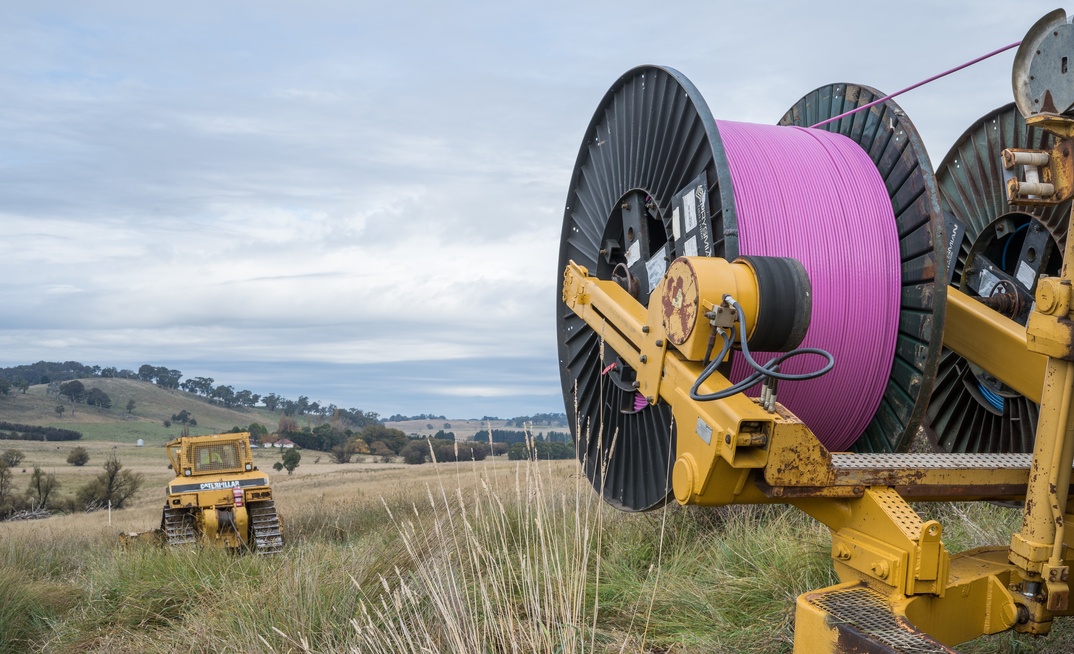
Telstra InfraCo plays a critical role in providing the network infrastructure necessary for a future-ready digital economy. Managing extensive assets, including 250,000km of fibre and 400,000km of subsea cables, Telstra InfraCo is set to invest $1.6 billion by FY27 in fibre initiatives. One such initiative is the Aura Network, which will connect major cities, regional areas, and data hubs with ultra-low latency and high-speed connectivity. This infrastructure supports industries like mining, agritech, and telehealth, enabling sustainable solutions in remote areas.
Enhancing Network Resilience
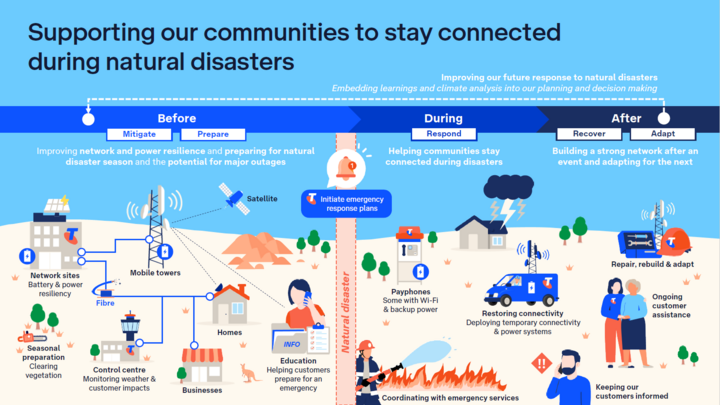
Telstra is also addressing challenges posed by natural disasters and power outages, which impact network reliability. The company consumed over 4.9 million gigajoules of energy last year and is making significant investments to enhance the reliability and resilience of its networks, including how they are powered. Co-investments that boost resilience alongside energy companies and governments are becoming increasingly critical and require greater support and coordination.
Closing the Digital Divide
Telstra continues to stress the need for collaboration among industry, government, and communities to close the digital divide between urban and regional Australia. Reforming the Universal Service Obligation (USO) is key to modernising connectivity by transitioning from copper networks to wireless and satellite technologies. Telstra is committed to building confidence in new technologies and supporting customers during transitions.
A Thriving Digital Future
Telstra's efforts aim to create a thriving digital future for all Australians, ensuring equitable access to connectivity and digital inclusion. Achieving this vision requires coordinated initiatives, a national roadmap, and deep collaboration across stakeholders to deliver the infrastructure, technologies, and networks needed for sustainable growth.
ABOUT THIS COMPANY
Telstra Australia

The Telstra mobile network reaches further, runs faster and works better than any other.
HEAD OFFICE:
- 242 Exhibition Street, Melbourne, Victoria, 3000, Australia
- Website: www.telstra.com.au/
- Phone: 132000