


AGRICULTURE Victoria is urging land holders and land managers to report locust activity to support reducing the risk of damaging infestations this spring.
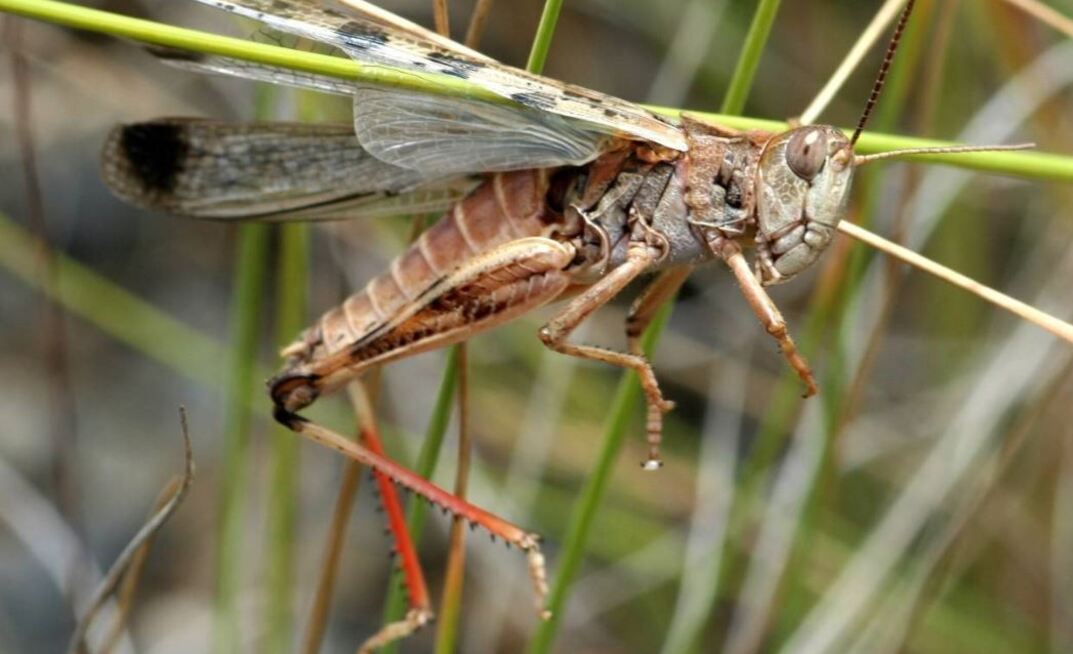
Adult locusts are active in north-west Victoria following favourable conditions, with numbers above usual levels for this time of year.
Dr Kyla Finlay, Victoria's Plague Locust Commissioner, said high numbers are also seen in New South Wales and South Australia and have likely contributed to migrations entering Victoria.
"Agriculture Victoria is encouraging all land holders and land managers to report locust activity to us using the report locusts form," Dr Finlay said.
YOU MIGHT ALSO LIKE
"Early reporting allows for locust activity to be monitored and supports collaborative action to reduce the risk of widespread crop and pasture damage in spring."
Adult locusts will lay eggs during May and into June, which will remain dormant over winter and hatch in spring if rainfall conditions are favourable.
PROPERTY OWNERS PLAY IMPORTANT ROLE
Agriculture Victoria leads planning and response to locust outbreaks. Land holders and land managers also play a critical role by monitoring and managing locusts on their land to reduce impacts and damage.
"Preventative management is the most effective approach and relies on regular monitoring," Dr Finlay said.
"Early intervention such as treating hoppers before they can fly is critical. Identifying potential egg laying sites will help plan for targeted management of the hoppers following hatching in spring."
Locust activity can be reported using the Online Locust Reporting Form at www.agriculture.vic.gov.au/reportlocusts or by calling the Exotic Plant Pest Hotline on 1800 084 881.
Biosecurity staff can also provide practical advice, help identify locusts, explain their behaviour and guide landholders on appropriate management options.
For more information visit: www.agriculture.vic.gov.au/locusts