
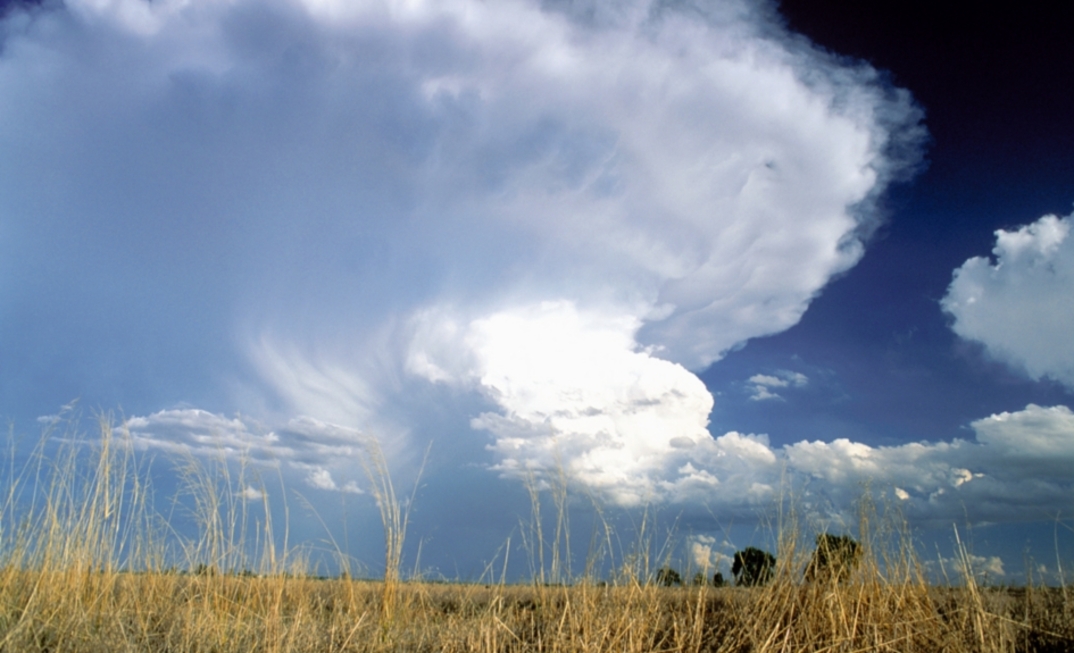


UNEXPECTED storms and air currents can influence the climate outcomes expected during La Niña and El Niño events, determining how much rainfall there is, new research has found.
The CSIRO study aimed to explain why Australia was very wet and cool in November 2021, but very dry and warm in November 2020, despite the fact they both occurred during a La Niña.
It revealed specific air currents, known as jet streams, influenced the climate outcomes experienced in the 2021 and 2020 events.
The Science Agency said the findings will increase understanding of the influence of unpredictable conditions for future forecasting.
YOU MIGHT ALSO LIKE
WEATHER CAN HINDER CLIMATE DRIVER OUTCOMES
CSIRO Research scientist and lead author of the study, Dr Carly Tozer, said Australia's climate drivers, such as La Niña and El Niño, the Indian Ocean Dipole (IOD) and Southern Annular Mode (SAM), can indicate climate outcomes.
"Generally, we expect wetter conditions during La Niña and drier conditions during El Niño," Tozer said.
"However, our research shows that the outcomes can sometimes be different to what we expect.
"Weather can hinder our predictions of the La Niña and El Niño conditions we might experience and influence if a season is wet or dry."
COMPARISON OF NOVEMBER 2020 and 2021
Dr Tozer said the study found the presence or absence of the jet stream air currents over Australia contributed to the very wet November 2021 and very dry November 2020, respectively.
"Jet streams in the upper atmosphere can steer weather systems, including low pressure systems, and influence rainfall in the regions they pass over," she said.
"In November 2021 there was a strong jet stream signature over Australia, coupled with cooler temperatures. This contributed to wet conditions in November 2021.
"In November 2020, the jet stream was largely absent over Australia, and there were warmer temperatures.
"This meant that rainfall systems were steered south of Australia, contributing to the dry month."
WEATHER FLUCTUATIONS CHALLENGE PREDICTIONS
Dr Tozer said these less predictable weather fluctuations can challenge long lead time predictions of the impacts of La Niña and El Niño on Australia's climate.
"La Niña and other climate drivers, like the Indian Ocean Dipole and Southern Annular Mode, play an important role in shaping our rainfall. But it's not the whole story," she said.
"For example, the most recent 2023 El Niño event didn't eventuate in expected dry conditions for Australia.
"Our findings show that we can experience different outcomes due to fluctuations in the jet streams and associated storms over the continent.
"It's important for us to better understand all the weather and climate processes at play so we can manage our expectations around likely climate outcomes for Australia when a La Niña event, for example, is forecast in the future."
MORE INFORMATION
The paper, ‘A Tale of Two Novembers - Confounding influences on La Niña's relationship with rainfall in Australia,' can be found here.