
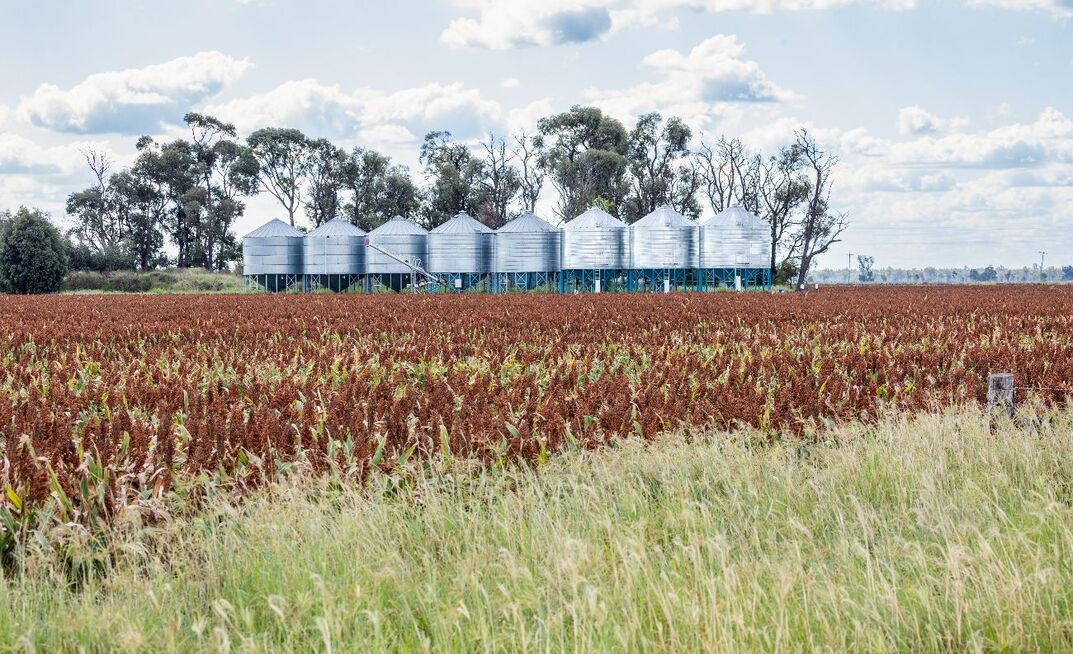


CHINA has approved imports of Brazilian sorghum, marking yet another shift in the global grain trade, in a move Episode 3 describes as a warning and wake-up call for growers in the United States and Australia.
The move will undoubtedly be of great concern to US growers, given over 80 per cent of US sorghum exports are typically destined for China. For Australian growers, it may present an opportunity in the short-term, but Episode 3 analyst, Andrew Whitelaw, said Australia is similarly reliant on the Chinese market for its sorghum exports. He warned Brazil's entry into China's sorghum market erodes Australia's competitive edge and exposes producers to the very real risk of being displaced in their single most important market.
Whitelaw explained by providing an overview of China's steadily deepening trade ties with Brazil in grains and oilseeds over the last decade, which he said was reshaping global flows in the process.
"The turning point came during the first Trump administration, when Beijing retaliated against US tariffs by sharply reducing soybean purchases from American farmers and shifting its buying power toward Brazil," he said.
YOU MIGHT ALSO LIKE
"That move not only met China's immediate feed demand but also cemented Brazil as its dominant soybean supplier, with investments in logistics, port capacity, and long-term contracts reinforcing the relationship."
The recent approval of Brazilian sorghum exports to China was a natural extension of this strategy, according to Whitelaw, who said it was demonstrating Beijing's preference for broadening supply chains with Brazil as a trusted, large-scale partner in feed grains and oilseeds.
"Prior to the first Trump administration, the US and Brazil used to export similar volumes; in recent years, however, Brazil has seen a significant increase in exports to China," Whitelaw said.
China has been attempting to protect itself from the potential risks of reliance on the US as a trade partner. They are now set to do the same with sorghum."
Until very recently, Whitelaw said most of Brazil's sorghum was used domestically, especially as a cheaper feed alternative in its poultry and pork industries or as a rotation crop in drier regions. He added Brazilian exports were limited and inconsistent, often a few hundred thousand tonnes at most.
However, Whitelaw said Brazil has the land, climate, and infrastructure to rapidly scale up sorghum production, in a similar manner to how it expanded soybean production after the first Trump administration's tariffs.
Through opening a door for Brazil, he said China was signalling it does not want to be dependent on any single supplier. And once China invests in new Brazilian supply chains, he said those flows may become "sticky," even if political conditions change.
WHAT THIS MEANS FOR AUSTRALIAN GROWERS
While Australia is currently in a favourable position, with purchases from the US declining and Brazil not yet ready to capture the entire market, Whitelaw warned of the potential longer term impacts.
"We are likely to remain a strong supplier, alongside a growing Brazil. However, in the longer term, this may change," he said.
"For Australian growers, this could result in Australia moving from being a supplier of choice to China to having a stranded surplus.
"A shift in Chinese buying preferences, whether triggered by politics, price competitiveness, or logistical convenience, would immediately squeeze Australian basis levels, given the lack of alternative markets deep enough to absorb current export volumes."
When China blocked Australian barley in 2020, Whitelaw said growers managed to redirect exports to Saudi Arabia and other markets, but at lower prices. He added sorghum does not have the same depth of alternatives, making reliance on China far riskier.
"In the short to medium term, Australia should benefit from the losses of the US in its trade war with China," he said.
"However, Brazil's entry into the market suggests that China's reliance on a single supplier is fleeting.
"Unless Australia diversifies its outlets or secures long-term stability in its relationship with China, today's strength could become tomorrow's vulnerability."