
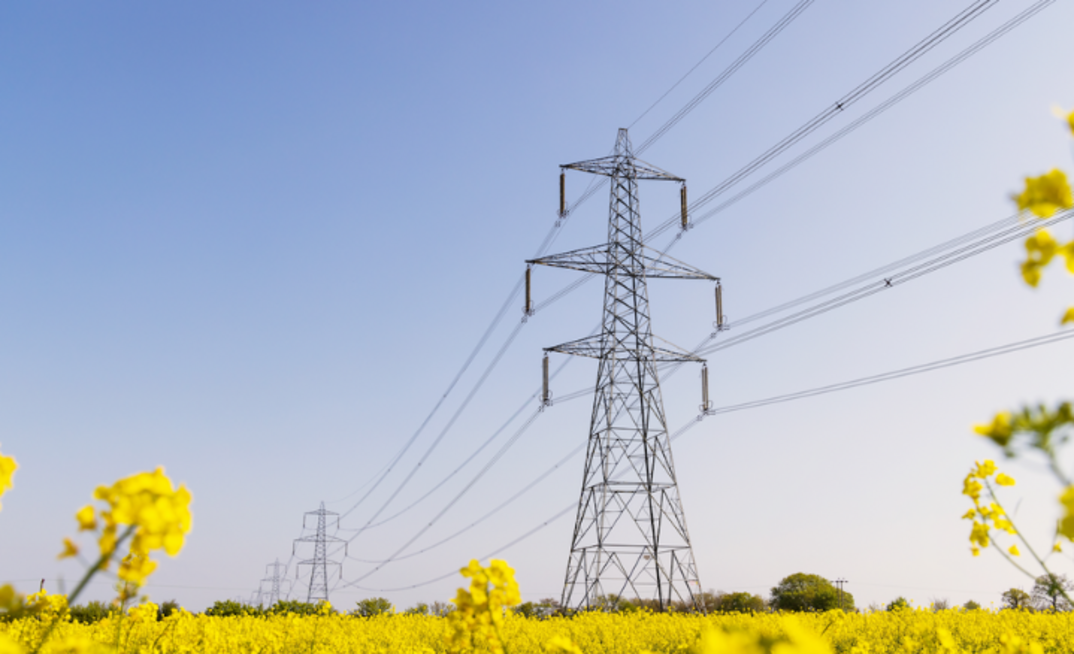


Western Australia is embarking on its largest transmission build, but community confidence was already faltering as developers faced pressure to avoid the bruising east coast experience.
Farmers in New South Wales and Victoria, still smarting from the $3.3 billion VNI West project, scoffed at claims they were ever "adequately engaged" before lines were carved across farmland. That fallout — bitter disputes, legal threats and lingering resentment — now looms over WA's rollout.
The WA government has committed $584 million to a 300-kilometre line from Malaga, on Perth's fringe, to Three Springs in the Mid West, designed to unlock vast wind and solar resources. But councils, landholders, and even industry fear a repeat of past mistakes.
YOU MIGHT ALSO LIKE
However, the WA government has pledged to involve regional councils and communities in decisions on transmission upgrades and renewable projects underpinning the state's clean energy transition.
"Regional communities located where there are strong renewable resources will play a key role in the energy transition, and they have the opportunity to obtain meaningful, long-term benefits from hosting the projects," a spokesperson said.
"We understand regional Western Australians want to see their communities benefit from new renewable energy developments. Western Power and PoweringWA have been working closely with local government authorities and regional development commissions to understand the challenges and opportunities facing communities, particularly in areas with strong developer interest."
However, WA Farmers CEO, Trevor Whittington, said regional landholders remained unconvinced.
"Show me the last time a renewable corporate actually walked away because a community said no. It doesn't happen. Unless there's an Indigenous roadblock, the bulldozers roll on," he said.
He added that glossy brochures and drop-in sessions were "box-ticking", while farmers were divided between lucrative tower leases and long-term disruption.
"Some can't sign up fast enough — $80,000 a year for a patch of land and off to Perth they go, leaving neighbours listening to the hum of subsidised money for 30 years."
Australian Energy Infrastructure Commissioner (AEIC), and former National Farmers' Federation (NFF) CEO, Tony Mahar said regional councils were sceptical.
"Lip service by renewable developers must be backed up by genuine efforts to engage with regional communities from the earliest stages," he said.
Into this fraught landscape stepped Neoen's WA lead, Arkar GAICD, who told attendees at an Energy Club WA Sundowner held in Perth last week that the Brookfield-owned renewable energy developer was pursuing a "grassroots" model prioritising engagement over engineering.

"If you put engineering as number one and talk down to the community, that's where you make the worst mistakes," GAICD said.
Neoen, which has invested more than one billion dollars in Australia, pointed to assets including South Australia's Hornsdale Power Reserve and WA's Collie Battery. It has also signed a heritage protection agreement with the Yued Aboriginal Corporation covering its Muchea Battery project - a six-hour storage asset set to deliver 150MW of peak power.
Still, advocates argued coordination is crucial.
RE-Alliance's Andrew Bray said engagement must "be centred around what communities need" and timed to match local priorities.
For WA, the line is more than steel and wires: it is a test of whether the state can expand its grid without repeating the mistakes that eroded trust on the east coast.
This article was originally published by Farming Ahead's sister publication, Energy News Bulletin.