

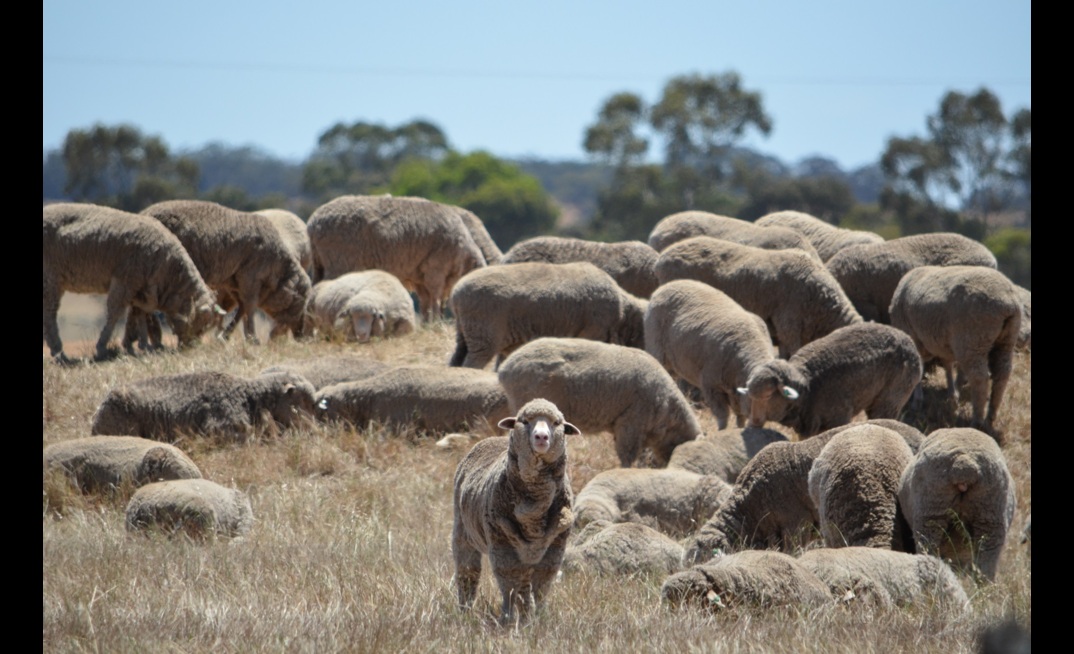


MLA reports record lamb slaughter, which is projected to reach 23.7 million this year, and elevated sheep turnoff is driving the decline, following impressive marking rates during the 2020-22 rebuild phase.
It said producer focus on productivity and genetics has boosted marking rates across the sheep flock in recent years, however average conditions in 2023 led to elevated turnoff of unproductive breeding stock, resulting in a 46.7 per cent lift to sheep slaughter.
MLA market information manager, Stephen Bignell, said sheep turnoff will mostly be limited to older, unproductive ewes, so this year's lamb cohort is expected to remain solid, but slightly smaller, than previous years.
"The current resilience of the sheep flock means that high lamb slaughter will have a less intense impact on the national flock size than in previous maintenance periods," Bignell said.
"Meaning that there will be a decrease in overall flock numbers, but not as dramatic as in comparative years.
"After 2024, the flock is expected to stabilise and remain above the ten-year average."
Slaughter and production are projected to peak in 2024, causing record supply of Australian sheepmeat into the global market. This follows record lamb production in 2023 at 599,461 tonnes, which was 11.6 per cent up the 2022 record.
As the largest exporter of sheepmeat, MLA said high Australian production will increase globally traded sheepmeat volumes.
"Economic resilience in the United States and emerging markets will drive demand for lamb, while the outlook for consumer demand in China remains uncertain," Bignell said.
"Regardless, a shortage of competitor proteins will encourage imports of sheepmeat in high protein consumption markets."
Lamb production is set to break a new record in 2024 at 621,000 tonnes, which is a nine per cent (or 54,000 tonnes) increase compared to 2023 figures. If this eventuates, MLA said it will be 21.3 per cent (109,359 tonnes) above the 10-year average.
Lamb production is expected to ease to 587,000 tonnes in 2025 and then rise in 2026 by 19,000 tonnes to 606,000 tonnes, due to improved carcase weights.
Meanwhile MLA said mutton production will hit 254,000 tonnes this year, the largest since 2006 and up by 3.14 per cent on 2023. Production will remain elevated in 2024 due to a small lift to slaughter.
It said in 2025 fewer breeding ewes will be turned off, with forecasts for 2025 and 2026 tipped to hit 229,000 and 207,000 tonnes respectively, as the industry moves towards a transitional period where production will stabilise as the industry enters an average season.
To view the Sheep Industry Projections report, visit: Sheep Industry Projections 2024.